 New!
New!
 Outdoors
 Apparel & Accessories
 Footwear
 Firearms & Archery
 Safety
 Our Swag
 Body
Body
 Travel
 Trail Notes
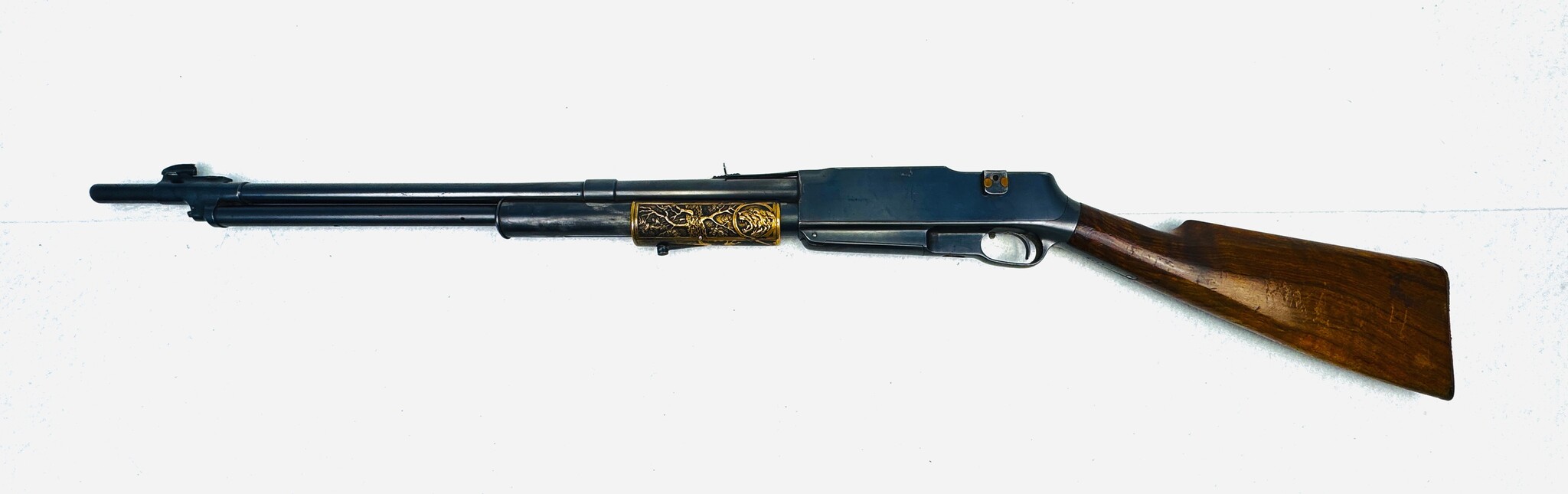
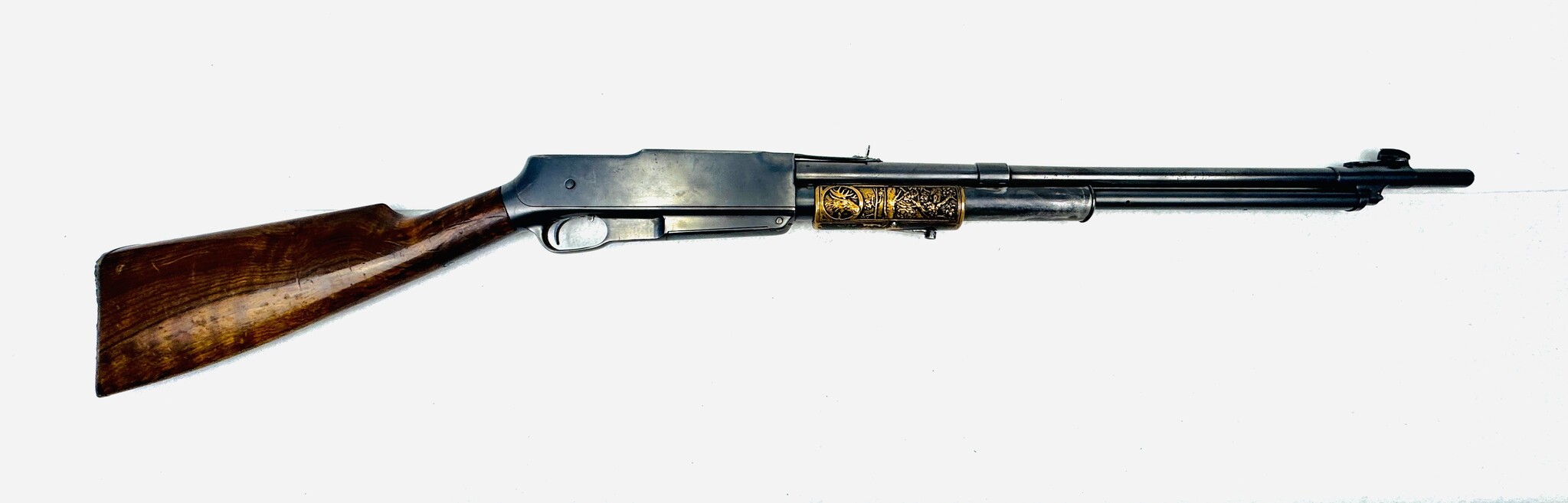
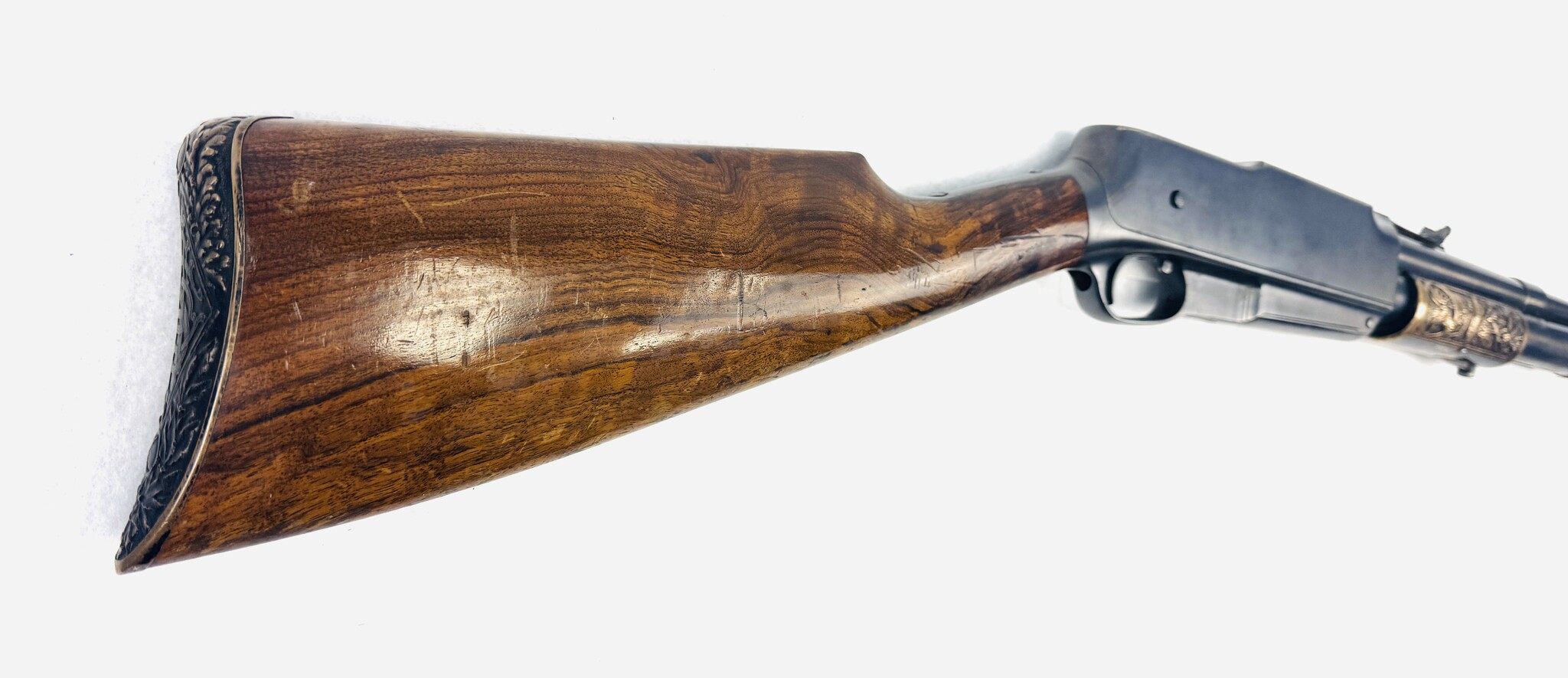
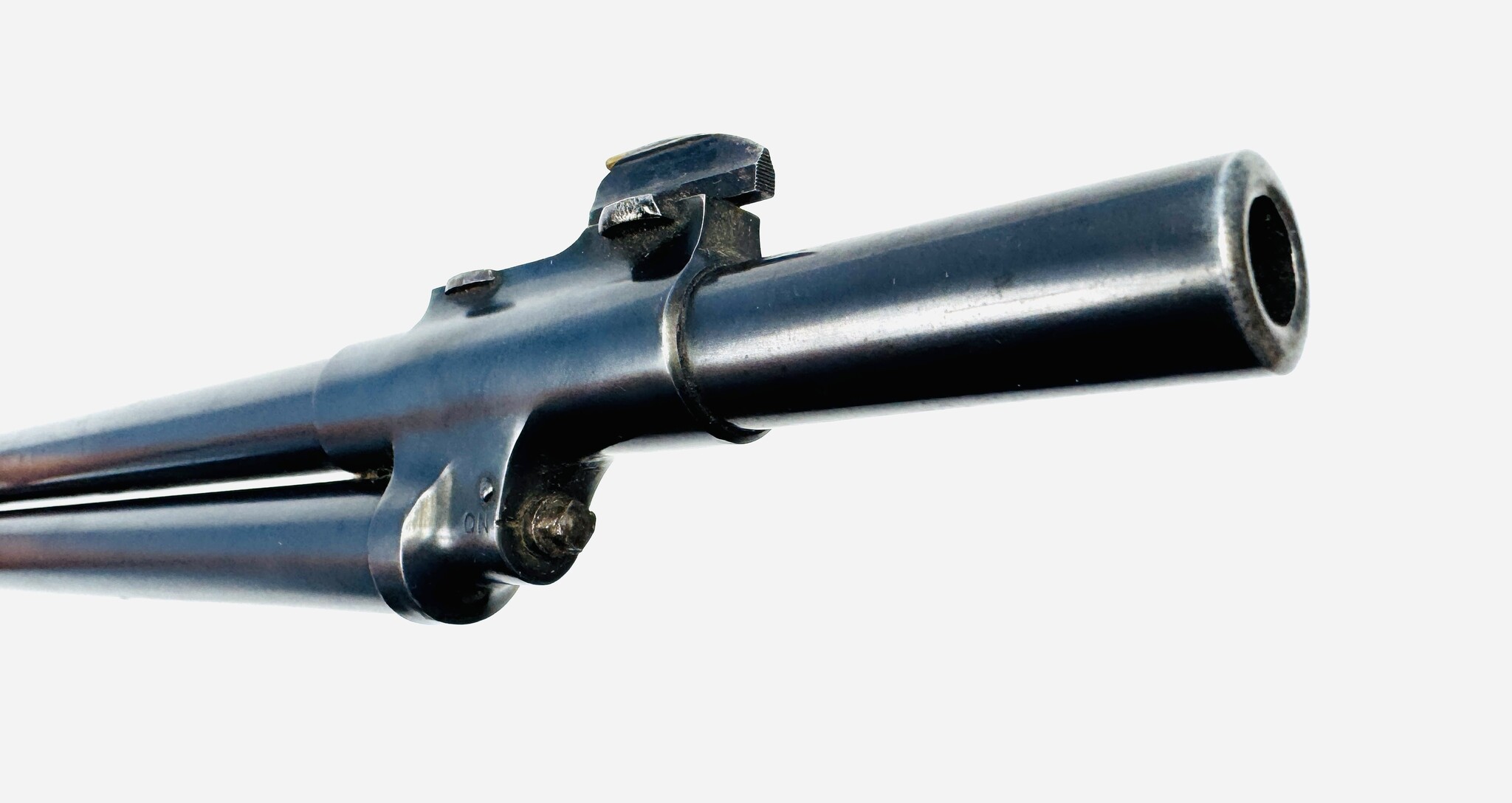
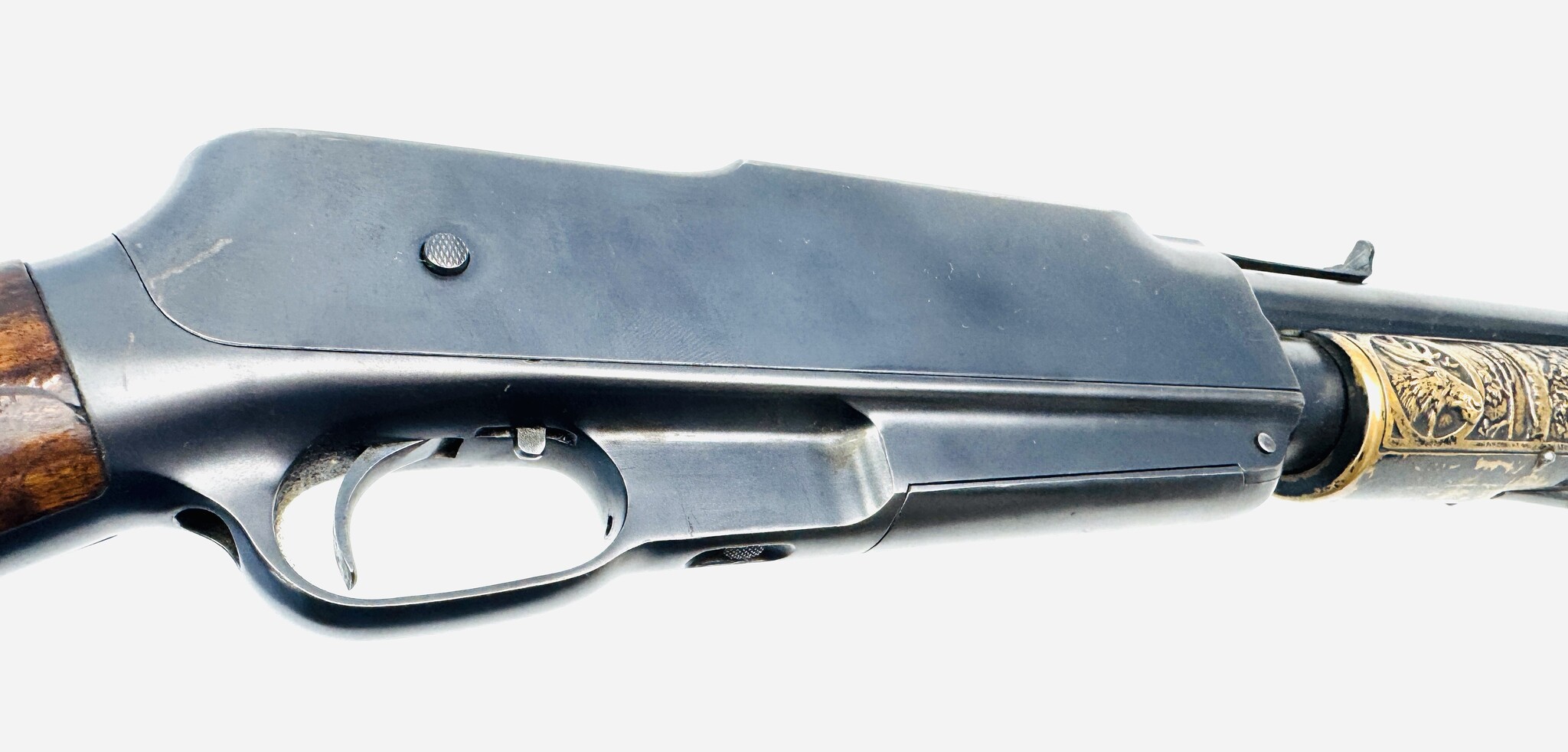
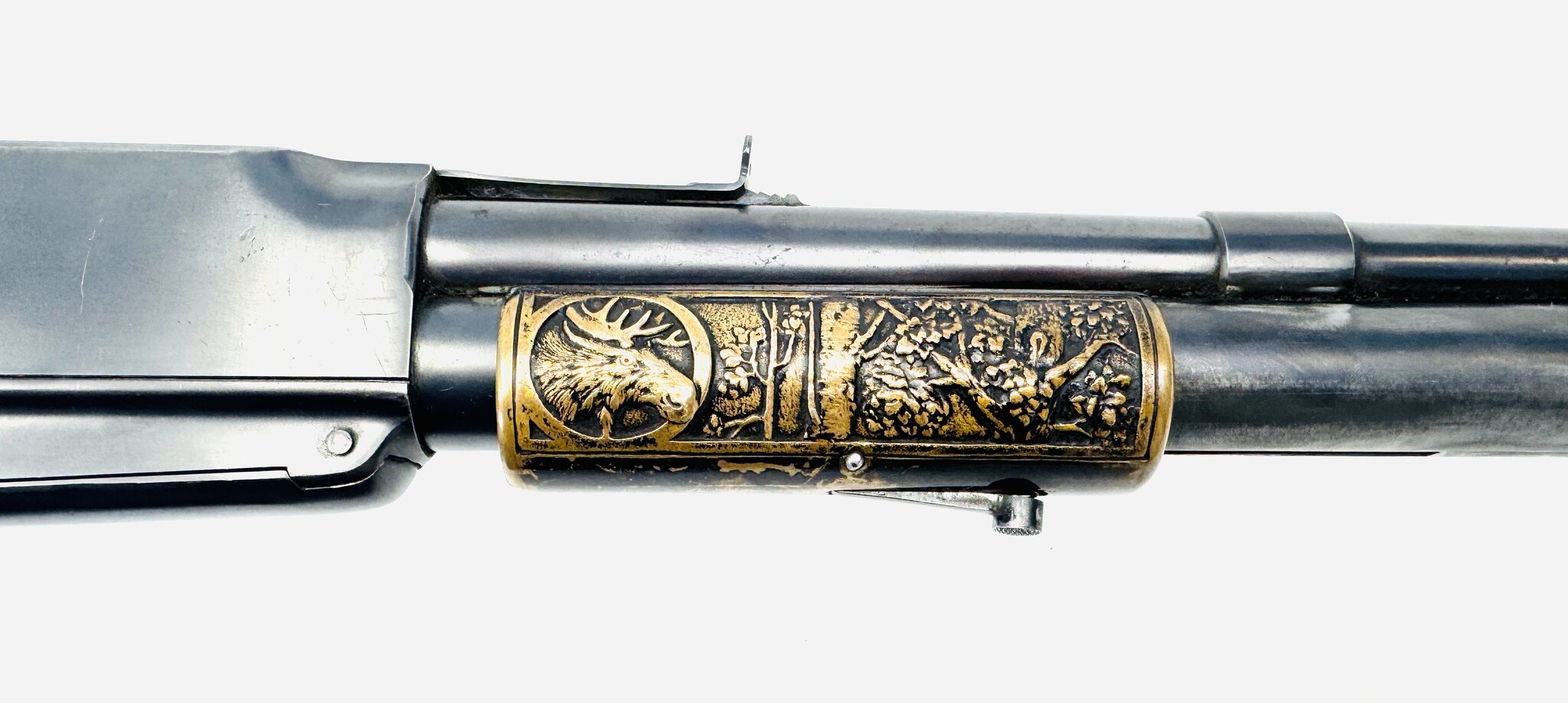
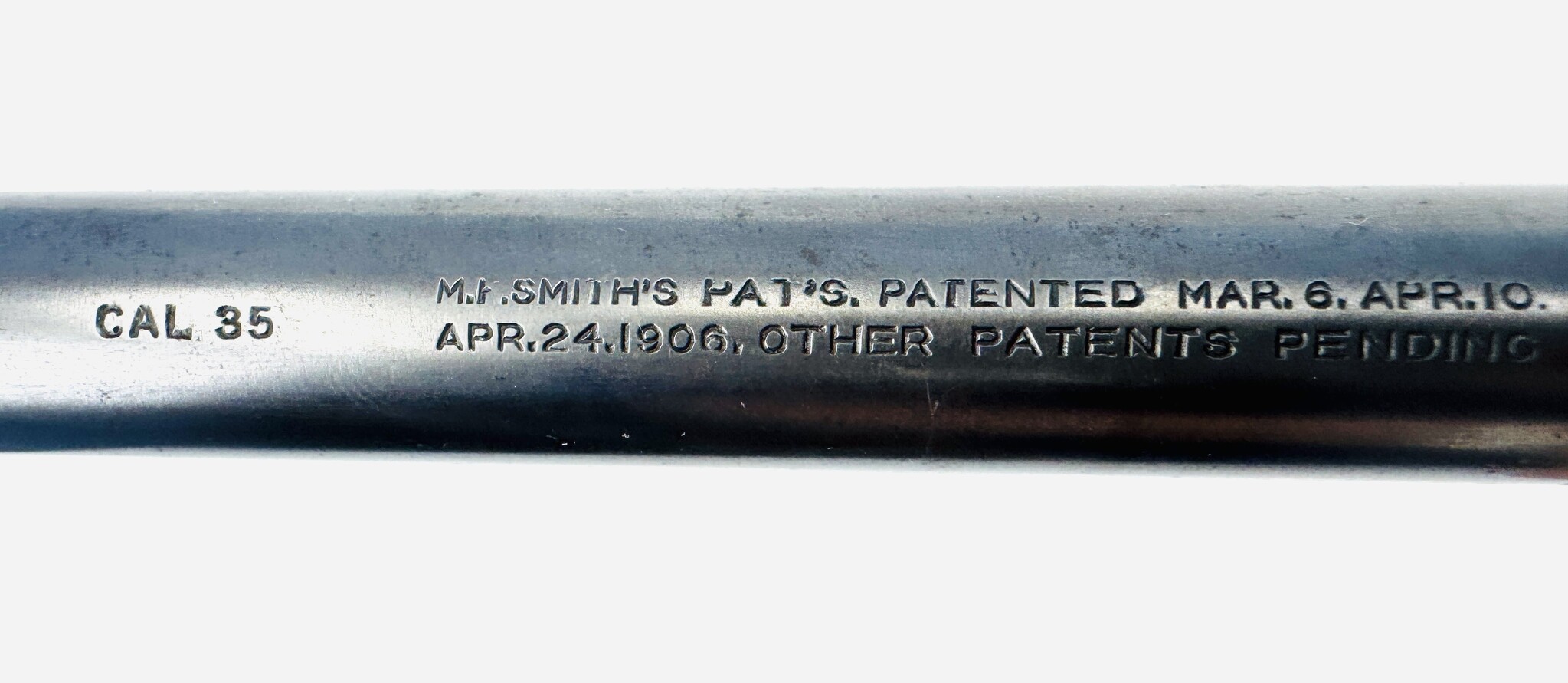
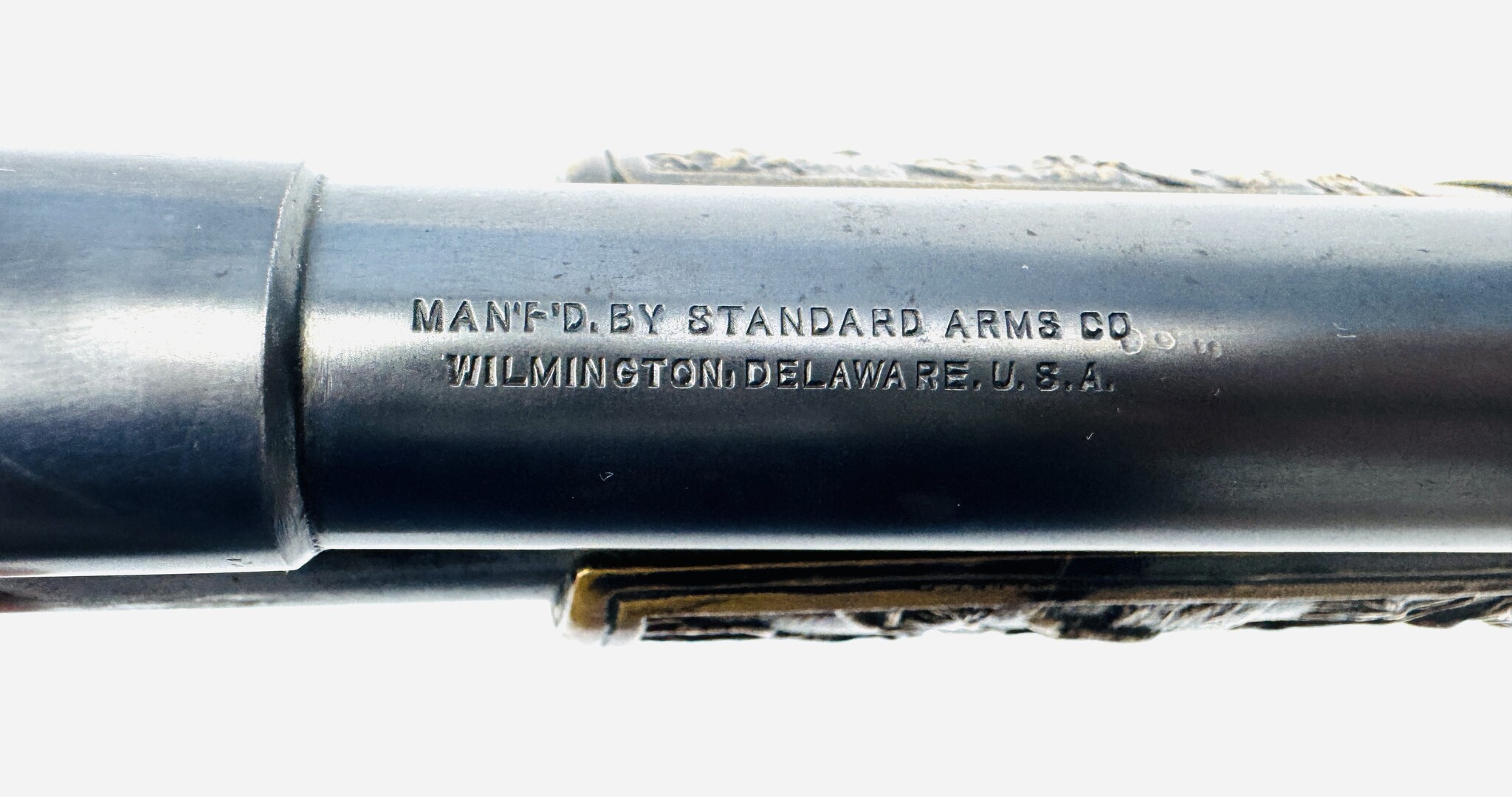
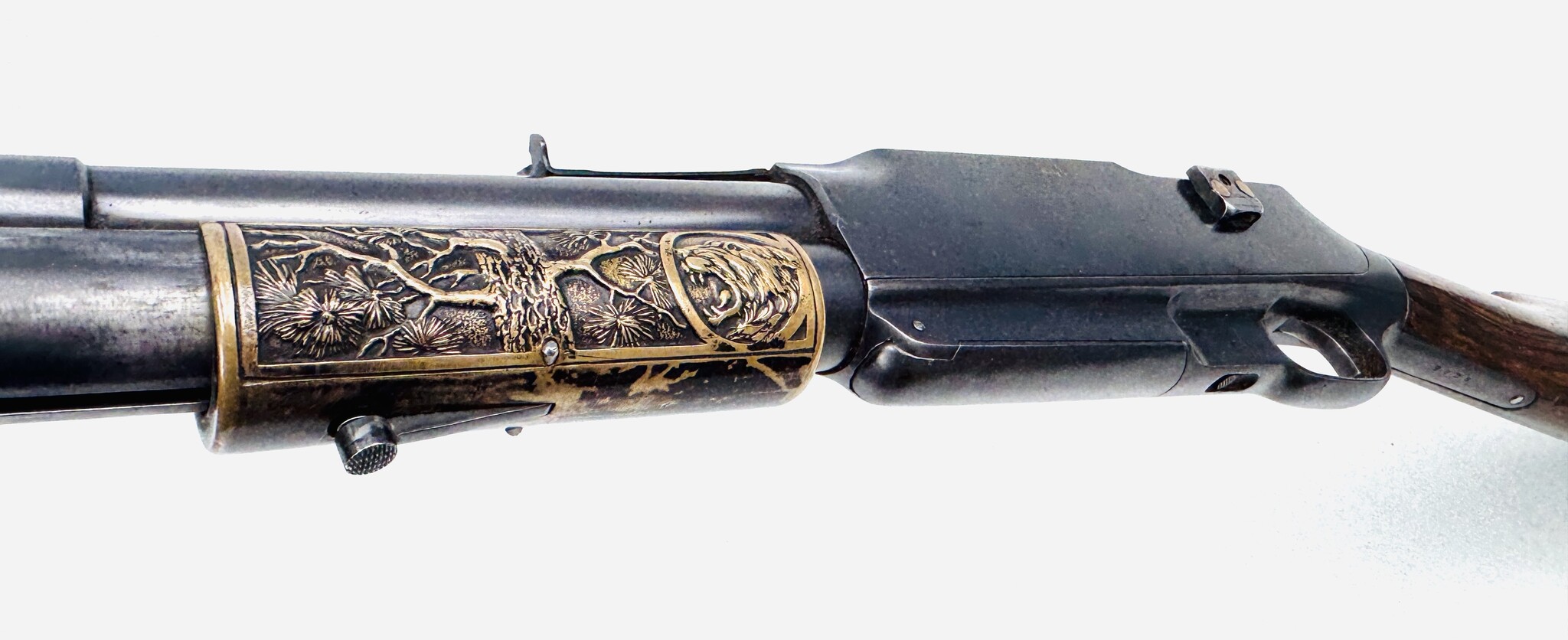
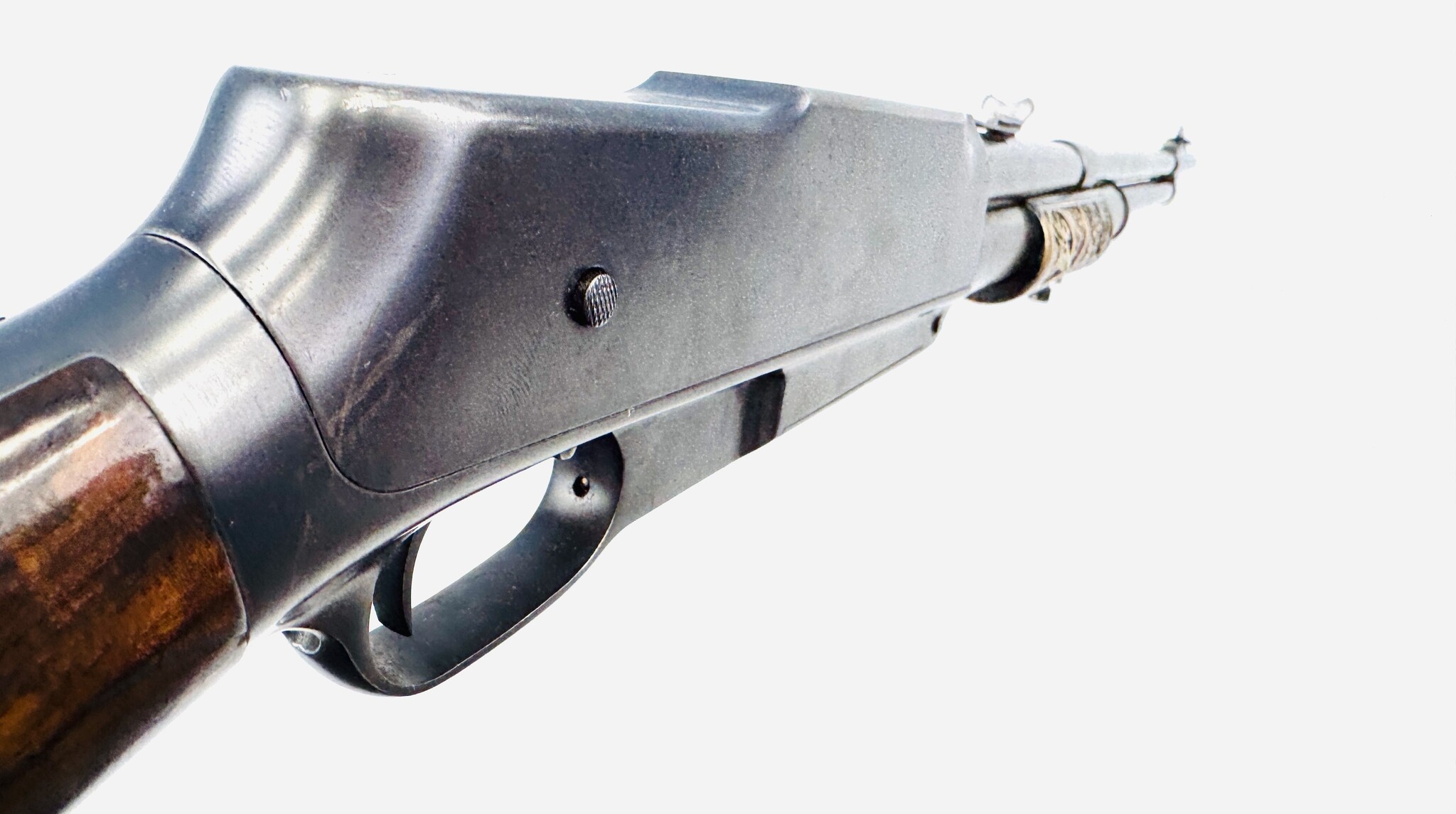
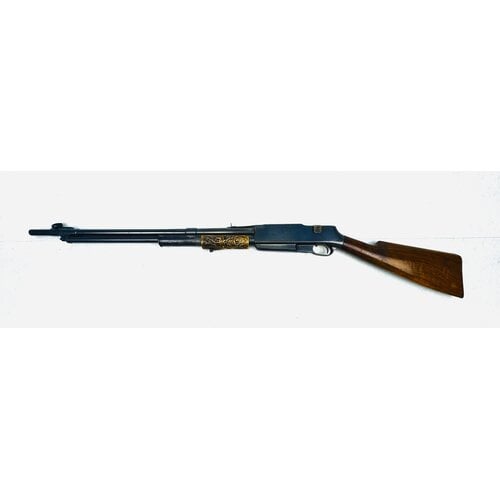
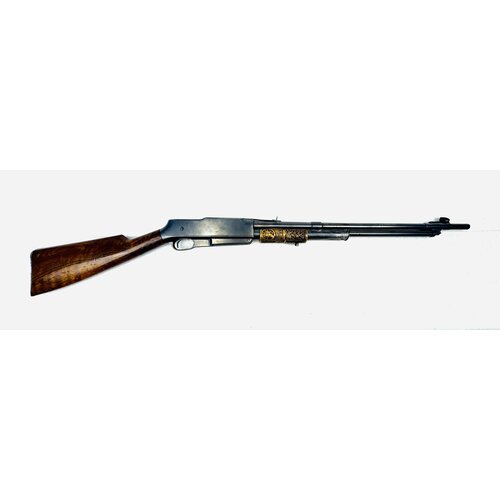
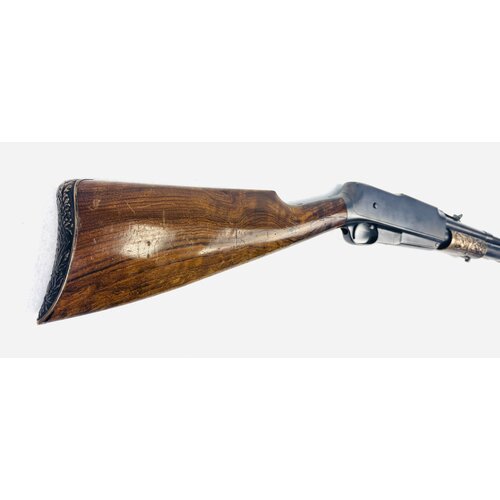
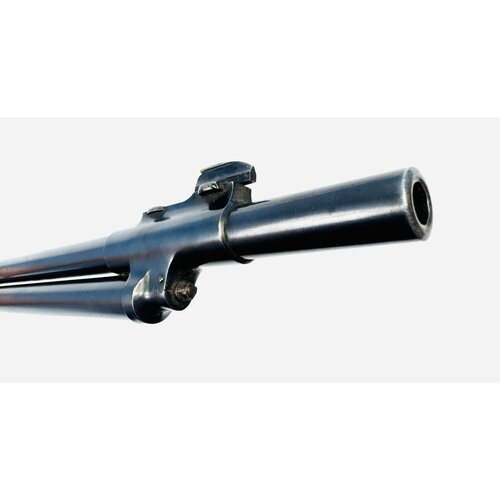
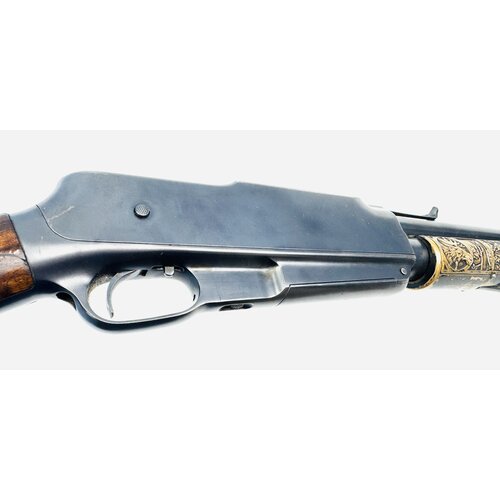
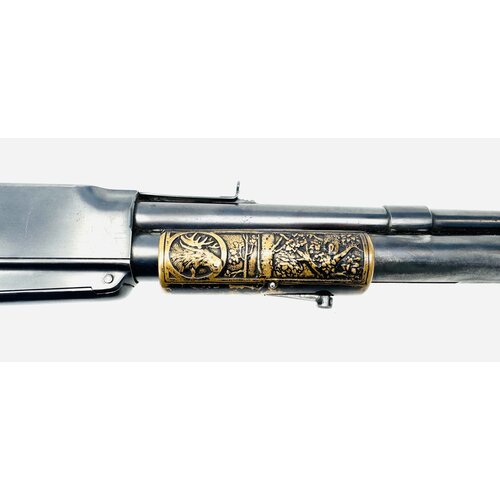
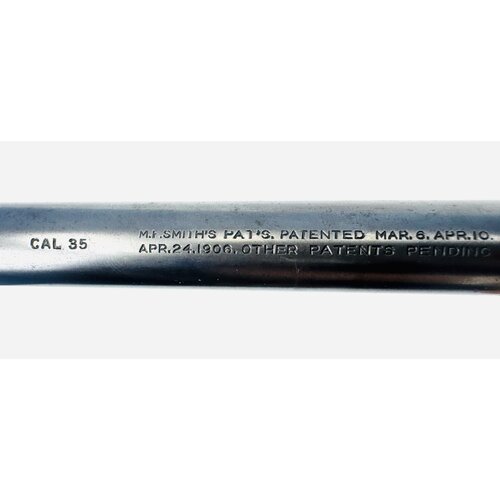
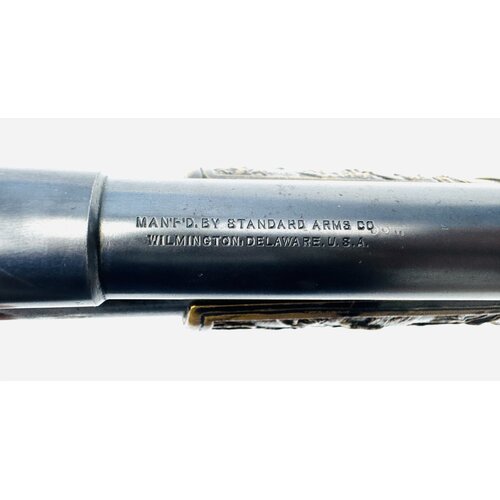
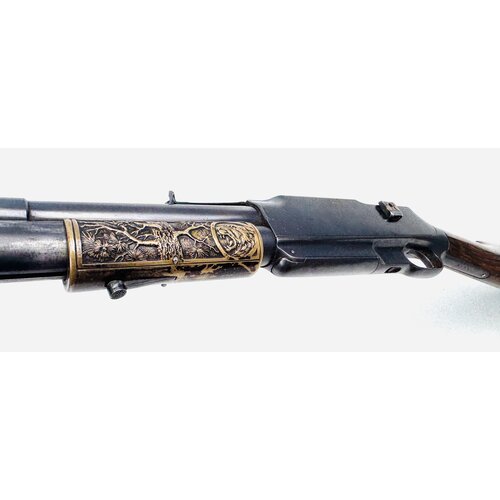
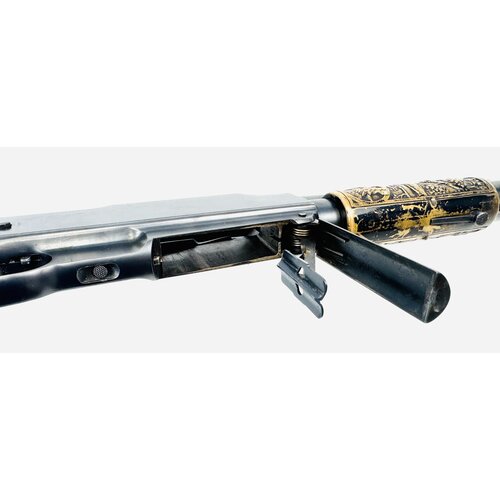
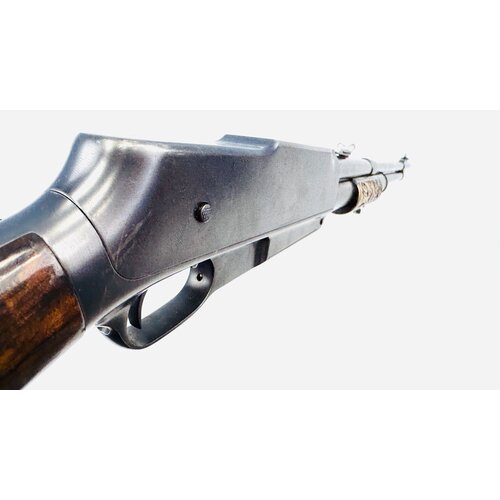
Standard Arms 35 Rem Model G Semi-Auto/Slide Action, circa 1910, Very Good Condition
An amazing piece of firearms history, this unique Model G is in Very Good Condition. It hearalds from an era when gunmakers were trying new methods of operation and manufacturing, and stands as a monument to innovation and progression in technology. Read more
While innovative in offering a semi-auto sporting rifle, the Standard Arms Model G was too advanced for the materials available at the time. At least, to a degree, the Model G showed the efficacy of gas operation, a system that would eventually be taken up by many other firearms with far greater success.
In 1909 Smith’s Standard Arms Company, sited in Wilmington, Delaware, introduced its “Model H” rifle, a svelte, well-balanced double-duty semiauto/pump combination repeater. “H” was possibly for “hammerless” as that feature was touted in the firm’s catalog. Almost immediately, the moniker of the rifle was changed to “Model G,” the “G” ostensibly standing for “gas.” Standard Arms also sold a companion pump-only version of the rifle, the “Model M,” “M” meaning “manual.” This allowed the company to provide the shooter with action options while at the same time cutting costs by being able to use many of the same parts in both guns.
Wisely, Standard Arms chambered them for the readily available, proven Remington .25, .30, .32 and .35 rounds originally developed for the Model 8. Very quickly the .32 was dropped, most likely because its performance was not much greater than that of the .30 Rem., and that if a shooter wanted more oomph, he could opt for the .35.
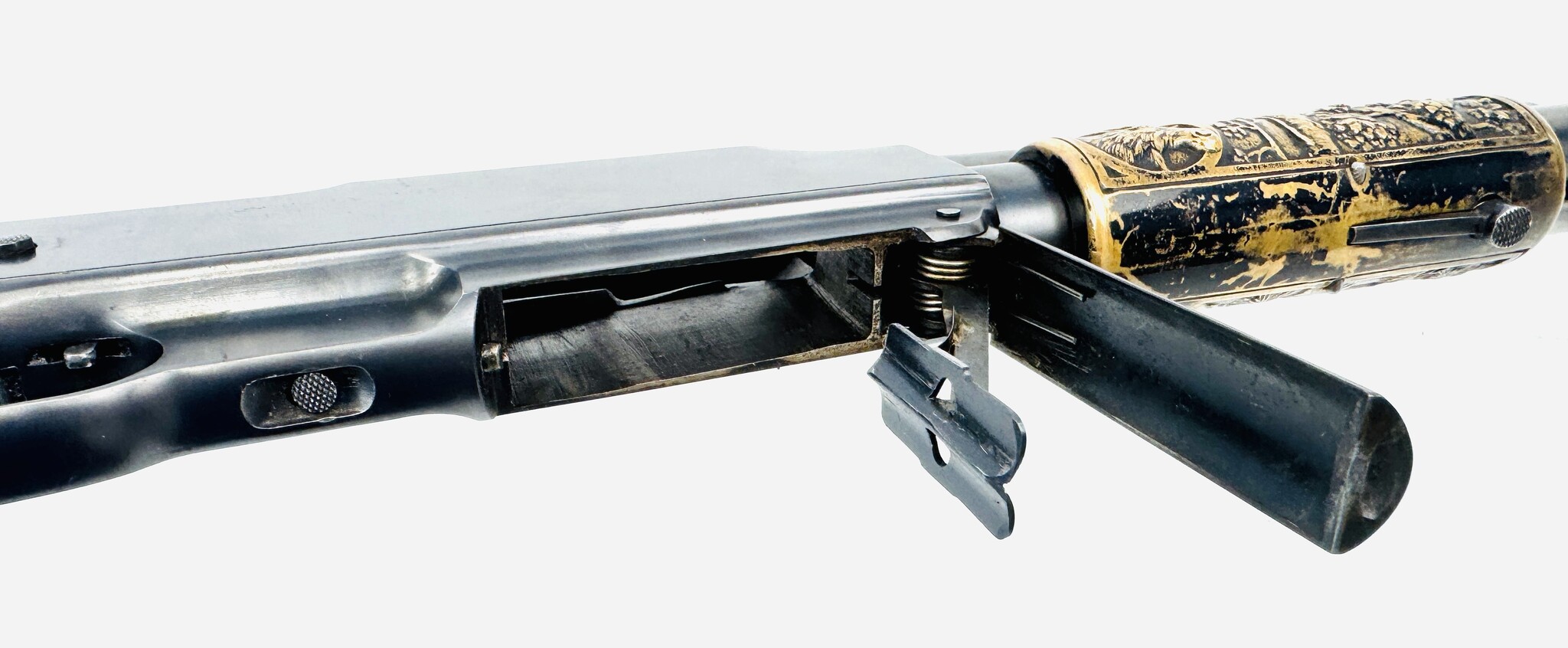
In operation the Model G was not unlike many later gas guns, providing the requisite power by tapping off pressure when the rifle was fired by way of a small hole near the muzzle. The force operated a piston which, through connecting rods, unlocked the bolt to eject and chamber a round. Ammunition — five rounds for .25 and .30 and four rounds for .35 — were dropped into a magazine incorporated within the receiver. Thus, the rifle did not have a projecting or removable mag. Access to the magazine was provided by means of a swinging cover, which was released by a small button at its front. An internal spring-loaded cartridge tray and carrier was hinged at the forward part of the mag opening.
Likely, the most interesting feature of the gun was its manner of chambering the first round. The rifle was equipped with a slide that was released by a button on the slide handle. Drawing it to the rear against spring pressure cocked the firing pin and prepared a round for chambering, which was accomplished when the slide was allowed to move forward. After firing the first shot, the rifle then operated semiautomatically.
Additionally, by turning a small valve on the front of the gas inlet a few inches behind the muzzle with a combination tool — supplied with the gun in a “little vest-pocket cloth case” along with cleaning brush — it was possible to deactivate the gas system. This would allow the rifle to be fired by, as the company termed it, “hand-action.”
For those shooters who preferred a simpler (and more affordable) version of the gun, in the Model M it was possible to purchase one sans the gas arrangement that operated solely as a pump.
No screws were used in the action, pins and catches serving to hold the rifle together. Standard Arms claimed because of this the rifle could be “readily disassembled,” though anyone essaying the daunting task (including the author) might want to disagree with Standard Arms on this point.
On the other hand, for simple maintenance takedown was slick. One simply pushed in on a recessed catch at the rear of the triggerguard using the combination tool or other pointed implement, pulled the lower frame slightly rearward and separated it from the receiver.
As inferred previously, the Model G was a sleek, handsome piece, reflecting some of the style of the period of its inception, but also looking a bit towards the future.
The receiver’s long, slim lines were broken only by a hump about midpoint to accommodate a space for the bolt to lock into. The Standard model was blued and had a plain Circassian walnut buttstock. The rifle’s most rococo features were its buttplate and slide handle that were fashioned out of intricately cast bronze. Both were originally given a japanned finish, which quickly wore off. The plate incorporated the intertwined initials “SAC” for “Standard Arms Company” within an elaborate floral bouquet, and the handle, vignettes of lion and moose heads intertwined with sinuous tree branches.
The sights were like those of most other rival longarms, consisting of a simple V-notch rear leaf with central elevation slide, and a Lyman ivory-tip front blade, drift adjustable for windage. Lyman tang peeps were offered as extras.
It is interesting to follow the fortunes of the Standard Arms Company through its catalogs, which are fortunately available in reprint from Cornell Publications (cornellpubs.com). The 1909 version is a relatively Spartan affair consisting of 12 pages, reasonably well-illustrated, and offering a simple description of the establishment’s wares along with modest declarations of the firearms’ advantages and a listing of features and extras. These embellishments included special stocks and sights as well as “Engraving or Etching, $6.00 and up.”
A year later, with the fortunes of the company obviously on the rise, the catalog evolved into an elaborate affair abounding with grandiloquent hyperbole about the Model G and extolling the virtues of gas operation over those of recoil or blowback. It increased in page count to 24, and was chock full of specially commissioned hunting scenes and photographs of various aspects and details of the Models G and M.
When the gun worked, it was a pleasure to shoot as will be seen anon. Recoil was light, accuracy was good and the hybrid mechanism not all that difficult to manage once one got the hang of it. Unfortunately, as clever, attractive, and well-constructed as the Model G was, it incorporated fatal flaws. First, the mechanism was overly complicated with fiddly little parts that were destined to go wrong at some point or other. One of the main problems was that the pin that connected the piston to the bolt extensions was not up to its task. It had a tendency to shear under repeated use. When the gas system fouled, operation was sporadic or ceased altogether. It was then necessary to undertake a laborious and time-consuming disassembly, a task that was too complicated for the average shooter.
Standard Arms was careful in recommending that the Model G be cleaned and regularly oiled with sewing machine oil and gasoline. The piston and cylinder were singled out for regular lubrication, a trio of holes being drilled into the gas tube as oiling ports.
At one point, around 1910, the Model G was tested by the military and found unsuitable. Its evaluation was terminated. Some 7 years later, the U.S. Army would adopt a far more robust and reliable gas-operated shoulder arm: The Browning Automatic Rifle, or “BAR.”