 New!
New!
 Outdoors
 Apparel & Accessories
 Footwear
 Firearms & Archery
 Safety
 Our Swag
 Body
Body
 Travel
 Trail Notes
Essential Fire Safety Guidelines for Camping and Hiking
Follow this practical guide to safely manage campfires on your next backcountry trip:
Know the Local Fire Restrictions Before You Go
Before heading out on the trail, always check the current wildfire danger ratings and active fire bans for your destination.
Fire bans in British Columbia can be found here: wildfiresituation.nrs.gov.bc.ca
Even if fires were allowed last week, sudden dry conditions may result in immediate bans on open wood fires. Respect local rules, even if there aren't any provincial bans in place, always adhere to site-specific rules.
Shop our variety of safety gear: Safety
Choosing and Preparing the Fire Site
Proper placement is critical to prevent embers from drifting into surrounding dry vegetation.
- Use Established Fire Rings: Whenever possible, build campfires in pre-existing metal rings or stone pits installed at campsites.
- Maintain Clearance: Choose a spot at least 3 metres (10 feet) away from tent walls, trees, low-hanging branches, gear, and dry brush.
- Clear the Perimeter: Scrape away dry leaves, pine needles, and twigs down to bare dirt within a 3-metre radius around the pit.
- Avoid Windy Conditions: High wind carries embers far beyond your campsite. If gusts are picking up, skip the campfire altogether.
- Have Extinguishers on Hand: Whenever burning, keep a fire extinguisher or a large pail of water close by and accessible.
- Burn Local Wood Only: Gather dead, downed wood near camp (where permitted) or buy firewood locally to avoid transporting invasive pests.
- Keep Fires Small: A manageable fire provides plenty of warmth for cooking and socializing without throwing dangerous sparks or generating unmanageable heat.
- Never Use Flammable Liquids: Gasoline, lighter fluid, and kerosene can ignite unpredictably and cause explosive flare-ups.
Backcountry Stove Safety for Backpackers
For backcountry trips where wood fires are restricted or discouraged to Leave No Trace, portable canister or liquid-fuel stoves are the standard choice.
- Select a Stable Base: Set your stove on a flat, level, non-flammable surface such as a flat rock or bare dirt. Never operate a stove inside a tent or enclosed shelter due to severe carbon monoxide and fire risks.
- Check Hose and Valve Seals: Inspect fuel lines, o-rings, and thread valves for cracks or leaks before lighting. Ensure all connections are finger-tight.
- Keep Fuel Containers Separate: Position spare liquid fuel bottles or pressurized canisters away from the burner area to prevent heat buildup and accidental ignition.
Browse our selection of stove set-ups for the backcountry: Stoves and Cookware
Extinguishing Your Campfire Completely
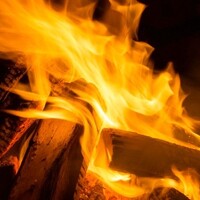
Never leave a campfire unattended, even for a short walk. When it is time to sleep or break camp, extinguish your fire using the Drown, Stir, and Feel method:
- Drown with Water: Pour a generous amount of water over all embers and logs until the hissing sound stops completely.
- Stir the Ashes: Use a shovel or stick to turn over the coals and stir the wet ash, ensuring water penetrates deep into the base of the fire pit.
- Drown Again: Apply more water as well as dirt or sand, and continue stirring until all hot spots are cooled.
- Feel for Heat: Hover the back of your bare hand over the ashes, and if it feels cool, touch the ashes with the back of your hand. If the pit is too hot to touch comfortably, it is still hot enough to restart a wildfire. Repeat the drowning process until the ashes are cold to the touch.
If You Start or See a Wildfire
If you've accidently started or discover a wildfire, immediately call the BC Wildfire Service at 1 800 663-5555 or *5555 from a cell phone, and if possible take a picture of the fire and submit it using the BC Wildfire Service app with your phone.
Disclosure: This article was written with the assistance of Generative AI.